Explore the biological roots of attachment, and how it shapes the nervous system’s experience of safety and connection.
New! LIVE Expert Spotlight Training with Q&A

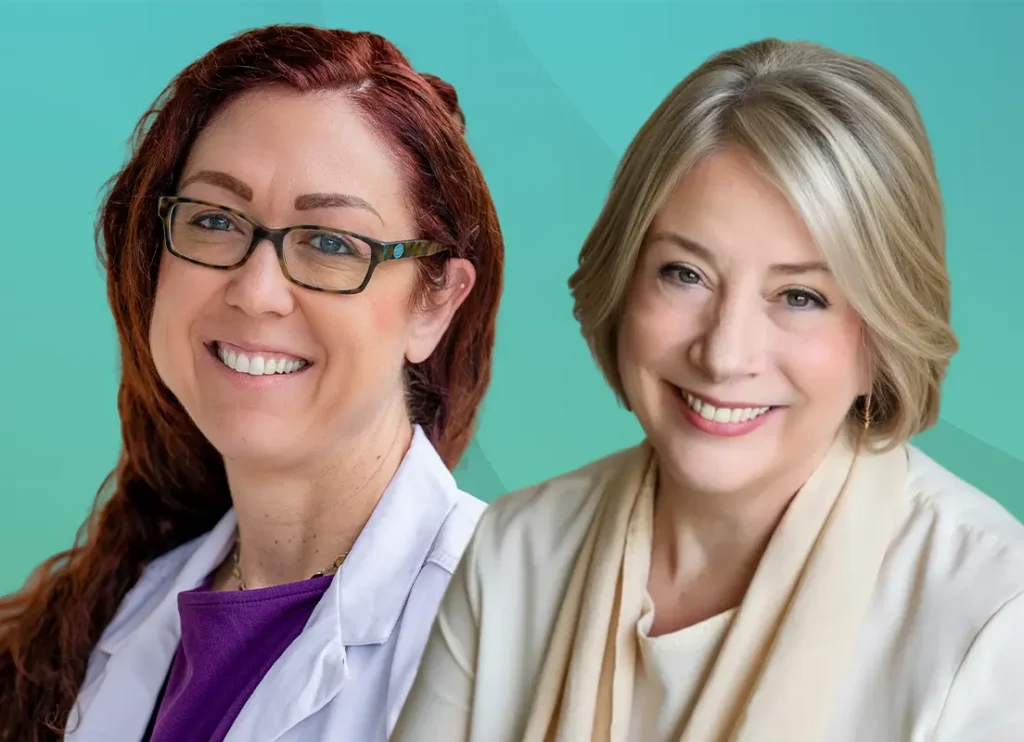
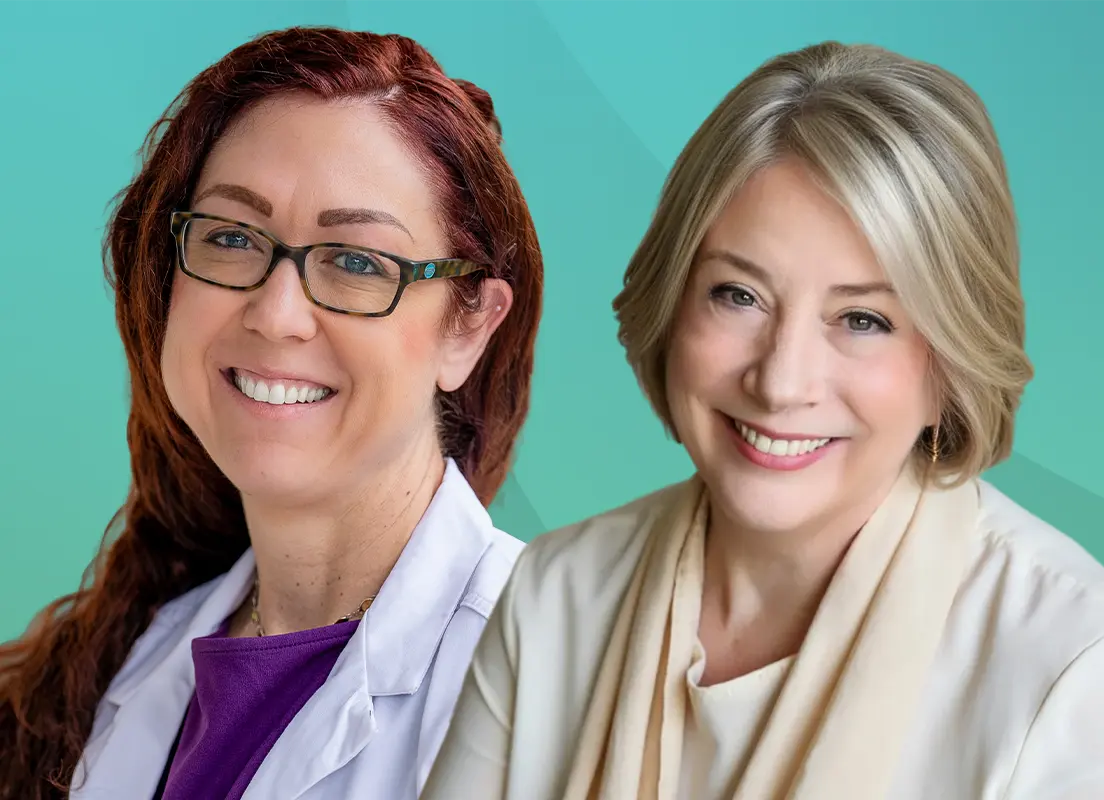
Dr. Aimie Apigian, is a double board-certified physician (Preventive/Addiction Medicine) with master’s degrees in biochemistry and public health, and a bestselling author and a bestselling author, who is revolutionizing trauma healing by revealing how our cells—not just our minds—store trauma. Her book The Biology of Trauma (foreword by Gabor Maté) transforms our understanding of how the body holds trauma. After adopting a child during medical school sparked her journey, she developed an integrative, science-based healing sequence. Through practitioner training, her podcast, YouTube channel, and international speaking, she bridges functional medicine, attachment, and trauma therapy—proving that healing trauma’s impact on mind, body, and biology is possible.
Register for this Free, LIVE, Online Masterclass
Share This Event
Summary
In This FREE, 90-Minute Live Masterclass, You’ll Learn...
Dr. Apigian shares a new way of approaching attachment, trauma, and the nervous system—from the inside, out.
1. Why attachment is biological before it is relational
Attachment begins in the body before language, memory, or conscious relationship patterns develop. Dr. Apigian will show how early physiology shapes the nervous system’s capacity for safety, connection, and repair.
2. How the nervous system gets pre-loaded before there is a story
Early experiences in utero, at birth, and during the first year of life can create a biological filter that shapes how the body reads safety and threat. This helps explain why some clients feel stuck even when they understand their patterns.
3. Why safe relationships don’t always feel safe to the body
Even inside supportive relationships, the nervous system may still react from an older survival blueprint. You’ll learn why the body can resist connection, regulation, and repair when its biology has not caught up to the present moment.
4. The biological dashboard most healing approaches never check
Dr. Apigian will introduce the physiology beneath attachment patterns, including stress chemistry, inflammation, gut health, and nervous system regulation. You’ll see why working with biology can help relational and somatic work go deeper and hold more fully.
Who Should Join Us?
- Trauma clinicians and mental health professionals
You work with attachment wounds, chronic dysregulation, freeze states, or clients whose progress seems to plateau despite strong therapeutic insight, and want a deeper understanding of the biological patterns shaping capacity, safety, and regulation.
- Somatic and body-based practitioners
You already work with the nervous system and the body in your practice, and want a clearer framework for understanding how inflammation, physiology, stress chemistry, and early developmental experiences influence trauma patterns and healing outcomes.
- Individuals experiencing chronic physiological or nervous system challenges
You resonate with patterns such as chronic fatigue, digestive issues, chronic pain, autoimmune symptoms, hypervigilance, shutdown, burnout, or feeling “stuck” in survival states, and want to understand how trauma and attachment disruption may be influencing your body’s ability to feel safe, connected, and regulated.
- Coaches, healers, and helping professionals
You support people navigating stress, overwhelm, relationship struggles, or recurring behavioral patterns, and want a deeper lens into the biological and nervous system dynamics that often sit underneath these experiences.
RELATED EVENTS

Small group case consults, facilitated online by Jennifer Jonell. Gain new insights as you learn how to inte...

Small group case consults, facilitated online by Jennifer Jonell. Gain new insights as you learn how to inte...
Free Training!
Explore the biological roots of attachment, and how it shapes the nervous system’s experience of safety and ...