The Search for Connection: Healing the Roots of Addictive Behaviors
Discover how attachment wounds, trauma, and disconnection can shape addictive and compulsive patterns—and learn a compassionate framework for finding your way back to connection.
3 Recorded Sessions
Learn At Your Pace
Lifetime Access
Includes Q&A + Resources
Own It Now
$79
- Secure checkout
Your purchase includes:
- Video Recordings
- Audio Downloads
- Full Transcripts
- Bonus Resources
Course Description
A three-session on-demand training led by Rose Viggiano exploring addictive and compulsive behavior through the combined lenses of attachment, developmental trauma, nervous system regulation, relationships, and recovery.
Across three 90-minute sessions, you’ll explore how early experiences of connection can shape what we reach for when we feel distressed, alone, overwhelmed, or disconnected—and why behaviors involving substances, food, work, relationships, technology, spending, perfectionism, and other forms of compulsive coping can sometimes become substitutes for the safety or connection we struggle to access elsewhere.
Drawing on professional training, practical frameworks, and nearly 25 years of lived recovery experience, Rose offers a compassionate way to understand what may be happening beneath the behavior while creating a clearer path toward meaningful change.
Watch a Preview of the Training
Get a first-hand look at the approach, teaching style, and format you can expect in our on-demand learning sessions.
What’s included in the training?
Here is everything you get for just $79!
Three 90-Minute On-Demand Training Sessions with Rose Viggiano
Across three sessions, Rose guides you from the roots of disconnection to the coping patterns that can develop in response—and finally toward a path of reconnection.
The training brings together attachment theory, developmental trauma, addiction science, nervous system education, family-of-origin dynamics, relational healing, and recovery resources to help you understand addictive and compulsive behavior within a much wider human context.
Rather than focusing solely on stopping or controlling a behavior, you’ll explore what that behavior may have been helping you regulate, avoid, replace, or seek—and what healthier forms of support and connection might begin to meet those needs now.
Experiential Exercises and Practical Integration
Throughout the course, Rose guides attachment-informed and somatic exercises designed to help you observe your inner system, recognize protective strategies, practice greater self-connection, and begin experiencing safety and support in a more embodied way.
These practices are educational and invitational. You remain in control of your participation and are never required to disclose personal experiences.
Recorded Q&A and Real-World Application
The original classes included opportunities for participants to ask Rose questions about attachment, compulsive coping, codependency, relationships, and recovery.
Through these discussions, you’ll hear the course framework applied to common real-world experiences and gain additional perspective on how the material can translate into everyday life.
Practical Course Resources
Your training also includes resources designed to help you recognize patterns and continue integrating the material beyond the individual sessions, including:
- Addictive and Compulsive Patterns Checklist
- Trauma Symptom Checklist
- Addiction and Attachment Reference Guide
- Class slide handouts for note-taking
Private Course Portal with Lifetime Access
Learn at your own pace through your private online course portal, with lifetime access to the complete training.
Your portal includes video recordings, downloadable audio, written transcripts, presentation materials, and accompanying course resources, allowing you to revisit individual concepts and exercises whenever you need.
Why take this course?
We can understand the consequences of a behavior, promise ourselves we’ll change, set stricter rules, remove the temptation, or gain greater insight—and still find ourselves returning to the same pattern.
Sometimes that pattern involves alcohol or drugs. It may also involve food, work, spending, sex, relationships, codependency, perfectionism, technology, or any other behavior that provides short-term relief while creating longer-term pain.
One reason these patterns can be so persistent is that the behavior may be serving a deeper function.
It may help regulate distress, avoid overwhelming emotions, create a temporary sense of control, bring relief from numbness, or substitute for forms of safety and connection that have historically been difficult to access. What causes harm today may have begun as an intelligent attempt to adapt to circumstances we could not otherwise control.
Rose’s approach invites a different kind of inquiry.
Alongside asking “How do I stop?” you’ll begin exploring questions such as:
“What has this behavior been trying to do for me?”
“What pain am I trying to soothe or escape?”
“What kind of connection am I searching for—or protecting myself from?”
“What might help me meet that need in a safer and more sustainable way?”
Understanding these conditions does not erase responsibility or minimize harmful consequences. It can make it possible to approach change with greater curiosity, compassion, and clarity.
Across the course, Rose maps recovery as a process of reconnection: developing a stronger relationship with yourself, creating safer connection with others, and finding meaning or belonging through community, spirituality, service, purpose, mindfulness, nature, or another relationship with something larger than yourself.
Who is this course for?
This training is designed for individuals, loved ones, therapists, and other helping professionals who want a deeper understanding of addictive or compulsive patterns through an attachment-informed lens.
This course may be especially valuable for:
- Individuals exploring their own addictive or compulsive patterns, including patterns involving substances, food, technology, spending, work, sex, relationships, perfectionism, productivity, or other behaviors that have become difficult to change.
- Loved ones of someone who is struggling, especially those who find themselves rescuing, monitoring, controlling, over-functioning, or organizing their lives around another person’s behavior.
- Therapists and mental health professionals looking for an integrated framework connecting attachment, trauma, nervous system regulation, shame, relationships, codependency, and addiction.
- Coaches, healers, clergy, and other helping professionals who support people struggling with recurring behaviors, relational difficulties, emotional dysregulation, shame, or recovery.
You do not need to identify as an addict, or decide that your behavior fits a particular diagnosis in order to participate.
The course is an invitation to become more curious about patterns that feel difficult to change, what they may have been doing for you, and what meaningful support and connection could look like now.
What you’ll learn?
In this on-demand, experiential training, you’ll learn:
- How childhood attachment wounds and developmental trauma can create vulnerability to addictive and compulsive coping later in life.
- How insecure attachment patterns can influence experiences of activation, suppression, disconnection, and the ways we attempt to regulate ourselves.
- How family-of-origin roles and intergenerational patterns can shape protective and survival strategies.
- How to map the cycle from attachment rupture and emotional pain to substitute connection and compulsive behavior.
- How reward, habituation, craving, compulsion, and neuroplasticity can reinforce addictive patterns.
- How shame, denial, nervous system states, and dissociation may help maintain the cycle.
- Why codependency and over-functioning can reflect their own attempts to find safety and connection through another person.
- How judgment and agenda can interfere with connection—and how self-compassion can create another way of responding.
- How co-regulation, sustained relationships, community, and experiences of earned security can support change.
- How to begin identifying an appropriate next step within the wider continuum of care.
- How recovery can involve reconnection with yourself, with other people, and with something larger.
Here’s what to expect from each class session…
Session 1
The Roots: How We Got Cut Off
Addictive patterns rarely begin with the substance or behavior itself.
They can begin much earlier, as the nervous system adapts to connection that is inconsistent, overwhelming, unavailable, or frightening.
In this foundational session, Rose explores how childhood attachment wounds and developmental trauma can create vulnerability to compulsive coping later in life. You’ll examine insecure attachment patterns and how they may show up in the body through activation, suppression, or movement between the two.
You’ll also explore family-of-origin roles, intergenerational trauma, and the inner system Rose describes through the Wounded Child, Adaptive Child, and Wise Adult.
You’ll learn how to begin mapping these patterns with greater curiosity and compassion, including the ways the Adaptive Child may reach outward for substitute forms of connection.

Session 2
The Map: What We Reach for Instead
Why might one person seek relief through a relationship while another turns toward work, substances, food, technology, control, or withdrawal?
Attachment style does not predict a particular addiction, and no behavior can be explained by attachment alone. Attachment patterns can, however, offer useful clues about the kind of relief, protection, regulation, or connection someone may be seeking.
Rose maps the cycle from attachment rupture and emotional pain to substitute connection and compulsive behavior, while introducing the neurobiology of the addiction cycle and the roles of shame, denial, nervous system states, dissociation, and relational protection.
You’ll begin identifying your own substitute-connection patterns and exploring what may be happening underneath the behavior itself.

Session 3
The Path Home: Coming Back to Connection
The final session turns toward healing.
Rose explores what different attachment patterns may need in order to move toward greater security, and how change develops through repeated experiences of self-compassion, co-regulation, healthier relationships, community, and appropriate care.
You’ll examine judgment and agenda as barriers to connection, explore practical ways to reconnect with yourself in difficult moments, and learn about the continuum of care—from outpatient support and attachment-focused therapy to recovery communities and more intensive treatment when needed.
The course concludes by framing recovery as three-way reconnection: with yourself, with others, and with something larger.

Meet Your Instructor

“Healing is not only about removing what harms us. It is also about building the connection we were searching for underneath it.”
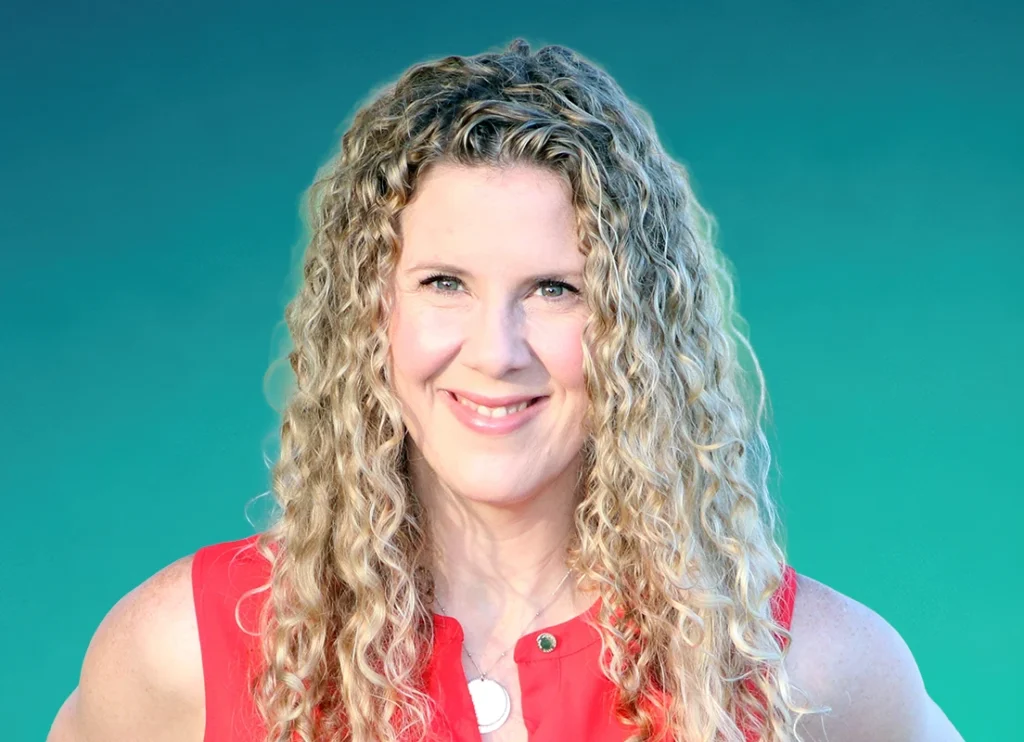
Rose Viggiano is a relationship coach, attachment specialist, and creator of The Awakening Relationships Method.
Drawing on nearly 25 years of personal recovery and more than a decade of client work, Rose helps people understand the attachment patterns that shape their relationships, addictions, and sense of connection.
Rose is a Certified Master Level Relationship Coach, Relational Life Therapy Couples Coach, DARe™ Practitioner and assistant, and has training in IFS, Compassionate Inquiry, and Somatic Experiencing. Her work combines lived experience, attachment science, and practical tools to help people build more secure, connected relationships.
Is this an addiction-treatment or recovery program?
No.
This is an educational workshop exploring addiction and compulsive behavior through the lenses of attachment, trauma, nervous system regulation, and human connection.
It does not replace medical care, psychotherapy, detoxification, addiction treatment, or crisis support.
If you may be at risk from withdrawal, cannot stop using safely, or are experiencing an immediate crisis, seek support from an appropriate licensed provider or emergency service.
How long can I access the course materials if I purchase this training today?
You’ll have lifetime access to ALL training materials, including video recordings, downloadable audio, transcripts, presentation materials, resources and bonuses too. You may also download, print or save materials at any time to your professional reference library for personal use.
Do I need to identify as an addict to benefit from this training?
No.
The course uses a broad lens that includes substance use as well as compulsive patterns involving relationships, codependency, food, work, spending, sex, technology, perfectionism, and other behaviors.
You are welcome to participate without applying any particular label to yourself.
Can loved ones benefit from this course?
Yes.
Partners, parents, adult children, relatives, and friends may gain a clearer understanding of addictive behavior, codependency, boundaries, and the attachment dynamics that can affect everyone involved.
The course also recognizes that loved ones may develop their own patterns of rescuing, monitoring, over-functioning, or trying to manage another person’s behavior—and that their needs, boundaries, and healing matter too.
Is this course appropriate for therapists and helping professionals?
Yes.
Clinicians, coaches, clergy, and other helping professionals can use the framework to deepen their understanding of attachment, trauma, shame, codependency, nervous system regulation, and compulsive coping.
The workshop is educational and does not provide professional certification or authorization to practice addiction treatment beyond your existing scope.
Are CE credits available for this course?
Continuing Education (CE) credits are not available for this training at this time.
I’m having trouble completing the purchase. How can I get support?
If you have additional questions or need technical support, please contact our friendly Customer Support Team for help.
Is there a refund policy?
We’re confident this program will be a valuable investment in your education, personal growth and clinical practice.
Because this is a re-issue of a previous training (at a special promotional price) and course materials are downloadable, all sales are final.
If you have further questions, do not hesitate to reach out to our Customer Support Team for help.
Rose Viggiano
Get immediate access…
- Three 90-minute on-demand training sessions with Rose Viggiano
- Experiential attachment-informed exercises
- Recorded Q&A for each class
- Private Course Portal with Lifetime Access to Video Recordings, Audio, Transcripts, and Resources
- PLUS, Exclusive Course Bonuses!
Own It Now For Just
$79
More Savings On Our Most Popular Trainings!



Peter A. Levine, PhD,
Dr. Diane Poole Heller
Learn to work somatically with clients who have complex trauma. Regulate the nervous system and support deep healing and resilience.
$267


Peter A. Levine, PhD,
Dr. Diane Poole Heller
Efu Nyaki, SEP
Learn to recognize and heal inherited trauma using somatic practices, DARe™ techniques, and family constellations.
$267


NEW! Dr. Terry Levy
Learn to nurture secure, loving relationships with children facing emotional and behavioral challenges. Develop skills to guide their healing and support their growth.
$167


Dr. Terry Levy,
Dr. Diane Poole Heller
Help clients manage conflicts, disconnection, and defensiveness in their adult relationships.
$167


NEW! Dr. Diane Poole Heller
Explore how early trauma and attachment wounds create shame. Gain practical tools to quiet your inner critic, restore confidence, and find relief through self-compassion and daily healing practices.
$67


Peter A. Levine, PhD,
Dr. Diane Poole Heller
Learn how to recognize the physical signs of trauma and use somatic therapy techniques for recovery, relief, and healing.
$267

