Working With Unresolved Trauma: Clinical Demonstrations with Diane Poole Heller
Observe expert interventions, clinical decision-making, and attachment-based trauma repair in action.


Own It Now
Your purchase includes:
- Video Recordings
- Audio Downloads
- Full Transcripts
- Bonus Resources
Course Description
A three-and-a-half-hour conference-style clinical training with Dr. Diane Poole Heller exploring how experienced trauma therapists navigate complex presentations of unresolved trauma and disorganized attachment.
Through a series of clinical demonstrations, expert debriefs, and practical teaching, you’ll observe Diane working with real therapeutic material while she explains what she notices, why she chooses particular interventions, and how attachment-informed principles guide the direction and pacing of the work.
Watch a Preview of the Training
Get a first-hand look at the approach, teaching style, and format you can expect in our on-demand learning sessions.
What’s included in the training?
Three-and-a-Half-Hour On-Demand Clinical Training with Dr. Diane Poole Heller
Across this intensive clinical training, Diane guides you through multiple demonstrations involving unresolved trauma, attachment wounds, nervous system dysregulation, and complex relational patterns.
Rather than simply watching therapeutic work unfold, you’ll hear Diane pause and explain the clinical reasoning behind her choices: what she is tracking, what tells her to slow down or continue, which resources are available to the client, and how she determines what intervention may support movement without creating overwhelm.
The result is an opportunity to study not only what an experienced attachment therapist does, but how she thinks through difficult moments in real time.
Multiple Clinical Demonstrations with Expert Debrief
Throughout the training, you’ll observe clinical work exploring topics such as:
- conflicting impulses around closeness and protection
- encapsulated child states and unresolved attachment wounds
- pacing activation and preventing overwhelm
- corrective experiences and competent protectors
- subtle markers of disorganized attachment
- regulation, resourcing, and therapeutic connection
Following the demonstrations, Diane draws attention to the broader patterns and intervention principles at work, helping you recognize how similar dynamics may appear across very different clients and clinical situations.
Private Course Portal with Lifetime Access & Bonus Resources
Learn at your own pace through your private online learning portal, which includes video and audio recordings of every session, written transcripts, and additional learning resources, PLUS Diane’s Trauma Symptom Checklist, an easy-to-use resource designed to help identify emotional, relational, behavioral, and physiological patterns associated with unresolved trauma.
Return to the material whenever you wish, revisit key concepts, or review class content as your understanding continues to grow.
Why take this course?
Working with unresolved trauma often creates moments when the next therapeutic step isn’t obvious.
A client may become flooded as important material emerges. Another may dissociate or lose narrative coherence. Someone may deeply want connection while simultaneously experiencing closeness itself as threatening. A seemingly helpful intervention can move the work forward with one client and overwhelm another.
Recognizing trauma is only part of the clinical task. Practitioners also have to decide how much activation a client can tolerate, whether to remain with difficult material or return to resources, when protective responses need support, and what kind of corrective experience may actually be available in that moment.
Clinical demonstration offers a different way to develop that judgment.
By watching Diane navigate complex therapeutic moments and explain the observations behind her decisions, you’ll see attachment and trauma principles translated into moment-to-moment clinical practice. You can study what she notices, how she responds when the work changes direction, and how she balances therapeutic movement with regulation and safety.
Across several different client presentations, you’ll begin building a richer framework for recognizing familiar patterns in your own work—and making more thoughtful decisions when there is no single obvious intervention.
Who is this course for?
This training was designed primarily for clinicians and helping professionals who want to deepen their ability to recognize and respond to unresolved trauma.
It may be especially valuable for:
Whether your goal is personal healing, professional growth, or both, this course offers a thoughtful and integrative perspective on the biology that underlies attachment and trauma.
What you’ll learn?
In this on-demand, experiential training, you’ll learn:
Ready to put this into practice?
Watch on demand, at your own pace, with lifetime access.
Here’s what’s in the training curriculum…
Clinical Context
Clinical Context: Attachment Adaptations and the Disorganized Dilemma
In this extended clinical training, Diane first shares the clinical context for understanding attachment adaptations, with particular attention to the disorganized dilemma that occurs when the need for connection and the need for protection become activated together.
Diane explores how unresolved trauma can appear through approach-avoidance conflict, emotional flooding, dissociation, fragmented regulation, difficulty receiving support, and threat responses that become activated within relationship.
Then, you’ll be introduced to specific interventions used for working with these patterns, along with three clinical demonstrations.
Demonstration 1
Unresolved Childhood Trauma, Betrayal & Corrective Experience
Explore how early betrayal by a trusted attachment figure can create lasting conflicts around safety, trust, and connection. Observe Diane work with an encapsulated childhood state, drawing on resourcing, protective responses, and corrective experience to address unresolved attachment wounds.

Demonstration 2
Approach-Avoidance Conflict, Regulation & Repair
Observe the central dilemma of disorganized attachment: longing for closeness while simultaneously fearing it. Diane demonstrates how careful pacing, somatic awareness, and grounding help manage activation, while work with a competent protector creates opportunities for attachment repair.

Demonstration 3
nervous system overwhelm, dissociation & restoring safety
Explore how unpredictable early relationships can contribute to chronic bracing, emotional flooding, and fragmented experiences of self. Watch Diane use grounding resources, somatic tracking, and corrective experiences to support regulation, restore protective responses, and strengthen a sense of safety.

Clinical Debrief
Clinical Debrief & Integration
Throughout the training, Diane pauses to unpack what she noticed, why she chose a particular direction, what other responses she considered, and the therapeutic principles informing those choices.
These debriefs help turn individual demonstrations into broader clinical learning—giving you a framework for recognizing similar patterns and making thoughtful intervention choices across your own work.
Start with the first session today.
Watch on demand, at your own pace, with lifetime access.
Meet the Experts
Meet the Expert

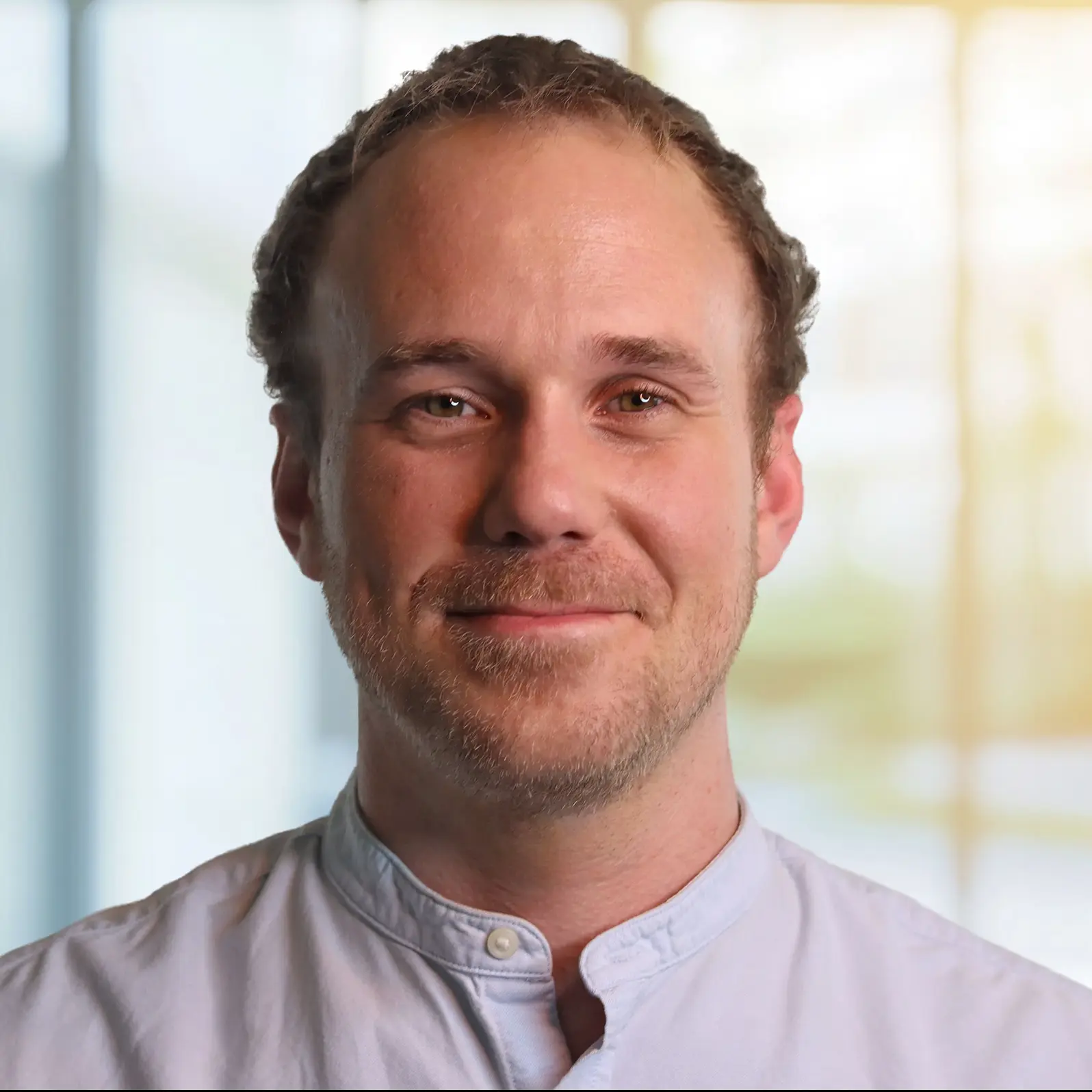
Dr. Diane Poole Heller
Trauma challenges our nervous system in terms of whether we can regulate or not... it really interferes with our ability to connect to ourselves and others.
Diane Poole Heller PhD is an internationally recognized speaker, author, and teaching expert in adult attachment theory and trauma resolution. She created the Dynamic Attachment Repatterning Experience™ (DARe), an approach that gives therapists and individuals practical skills for healing attachment and trauma wounds.
Her work helps adults with childhood attachment injuries develop Secure Attachment Skills (SAS) that lead to more connected and fulfilling relationships. Her expertise in trauma healing has supported survivors, helpers, and families affected by events such as 9/11, Columbine, and other school shootings.
She has authored several books, including The Power of Attachment: How to Create Deep and Lasting Intimate Relationships and The Attachment Workbook.
Learn directly from these experts.
Learn directly from this expert.
Watch on demand, at your own pace, with lifetime access.
Frequently Asked Questions
Find answers to common questions about course access, the training format, continuing education, and purchasing. If you need more information before enrolling, our support team is always happy to help you choose the right training.
Do I need to be a therapist to benefit from this training?
No. While this Clinical Demonstration Day was designed primarily for therapists, counselors, students, and other helping professionals looking to strengthen their clinical skills, people with a background in trauma-informed work or a personal interest in unresolved trauma may also benefit.
If you’re exploring your own healing, the demonstrations can provide a deeper understanding of how unresolved trauma may present and how therapeutic processes involving regulation, attachment, protection, and repair can unfold.
Much of the teaching does focus specifically on clinical observation and therapeutic decision-making, so clinicians and students in training are likely to receive the greatest benefit from the program.
How long can I access the course materials if I purchase this training today?
You’ll have lifetime access to ALL training materials, including video and audio recordings, transcripts, resources and bonuses too. You may also download, print or save materials at any time to your professional reference library for personal use.
In the interest of privacy, client demo videos are not downloadable.
Are the class sessions live or recorded?
This is now a fully on-demand training.
The program includes the recording of the original Clinical Demonstration Day with Dr. Diane Poole Heller, including Diane’s teaching, clinical debriefs, and discussion.
The clinical demonstrations themselves were prerecorded and selected to illustrate specific therapeutic principles, allowing Diane to pause at important moments and explain what she is observing and why she chooses particular interventions.
Are CE credits available for this course?
Continuing Education (CE) credits are not available for this training at this time.
Is there a refund policy?
We’re confident this program will be a valuable investment in your education, personal growth and clinical practice.
Because this is a re-issue of a previous training and course materials are downloadable, all sales are final.
If you have further questions, do not hesitate to reach out to our Customer Support Team for help.
I’m having trouble completing the purchase. How can I get support?
If you have additional questions or need technical support, please contact our friendly Customer Support Team for help.
Ready to begin?
Learn at your pace, with lifetime access to the course materials.
What Our Students Say About This Training
Join the others who have taken this course.
Watch on demand, at your own pace, with lifetime access.

Get immediate access…
Own It Now For Just
Deepen Your Learning With These Trainings