The Attachment Blueprint: A Fresh Look at the Biology of Safety and Connection
Discover how attachment shapes the biology of safety—and learn what becomes possible when healing reaches the nervous system, body, and beyond.
5 Recorded Sessions
Learn At Your Pace
Lifetime Access
Includes Q&A + Resources
Own It Now
$297
- Secure checkout
Your purchase includes:
- Video Recordings
- Audio Downloads
- Full Transcripts
- Bonus Resources
Course Description
A five-session on-demand training led by Dr. Aimie Apigian exploring how attachment shapes the nervous system, physiology, and the body’s capacity for safety. Through in-depth teaching, demonstrations, case studies, and guided discussion, you’ll learn a practical framework connecting attachment, trauma, and biology.
Watch a Preview of the Training
Get a first-hand look at the approach, teaching style, and format you can expect in our on-demand learning sessions.
What’s included in the training?
Here is everything you get for just $297!
Five Two-Hour On-Demand Training Sessions with Dr. Aimie Apigian
Across five in-depth sessions, Dr. Aimie Apigian explores the biological foundations of attachment, guiding participants through a framework that connects attachment theory, nervous system regulation, functional physiology, and trauma recovery.
Drawing on her experience as a physician, trauma educator, and author of The Biology of Trauma, she demonstrates how early attachment experiences influence the nervous system, immune system, stress response, digestion, inflammation, and overall health. Through clear teaching, practical examples, demonstrations, and case discussions, you’ll learn how biological factors can influence both your own healing and the work you do with others.
Rather than presenting attachment solely as a relational model, this course expands the conversation to include the biological conditions that support regulation, resilience, and lasting repair.
Demonstrations, Case Studies, and Practical Clinical Application
Throughout the training, Dr. Aimie brings her framework to life through demonstrations and detailed case studies that illustrate how attachment wounds, chronic dysregulation, burnout, digestive issues, inflammation, fatigue, grief, and physiological patterns often intersect.
By seeing these concepts applied in real-world situations, you’ll develop a clearer understanding of how to recognize biological patterns, identify opportunities for repair, and integrate this framework into your own healing journey or your professional practice.
Guided Reflection and Integration Exercises
Each session concludes with opportunities for personal reflection and practical integration designed to help you connect the material to your own experience.
Whether you’re exploring your own biology or considering how these concepts apply to clients, these guided exercises encourage you to recognize patterns, deepen your understanding, and begin applying what you’ve learned in meaningful, practical ways.
Private Course Portal with Lifetime Access
Learn at your own pace through your private online learning portal, which includes video recordings of every session, downloadable audio, written transcripts, and additional learning resources.
Return to the material whenever you wish, revisit key concepts, or review individual sessions as your understanding continues to grow.
Why take this course?
Many people have experienced meaningful change through therapy, somatic work, mindfulness, attachment-focused healing, or nervous system regulation.
Yet for some, anxiety, chronic stress, burnout, digestive issues, inflammation, fatigue, persistent hypervigilance, or relationship struggles continue long after they’ve developed greater insight and healthier ways of relating.
Healing has begun—but something still doesn’t fully settle.
Dr. Aimie Apigian believes one reason may be that attachment isn’t only expressed through our relationships. Long before we develop beliefs about ourselves or form conscious memories, attachment is already shaping the body’s biology. The nervous system, immune system, metabolism, and stress response all learn what safety feels like through our earliest experiences.
Throughout this five-session training, you’ll explore how these biological patterns develop, why they can continue influencing health and regulation throughout adulthood, and how building what Dr. Aimie calls a biology of safety can complement the relational, somatic, and therapeutic approaches you already value.
Whether you’re seeking to better understand your own biology or the biology of the clients you support, you’ll leave with a practical framework for recognizing when physiology may be influencing healing—and where meaningful opportunities for repair may exist.
Who is this course for?
This training was designed for both individuals and helping professionals who want a deeper understanding of the biological foundations of attachment.
Whether you’re exploring your own healing or supporting others in theirs, you’ll gain a practical framework for understanding how early experiences influence the body’s capacity for safety, regulation, resilience, and connection.
This course may be especially valuable for:
- Individuals seeking a deeper understanding of chronic stress, burnout, fatigue, digestive issues, hypervigilance, attachment patterns, or a nervous system that rarely feels fully settled.
-
Therapists, coaches, physicians, bodyworkers, and other healing professionals
Looking to better support clients experiencing chronic dysregulation, persistent physiological symptoms, or presentations that seem resistant to traditional therapeutic approaches. -
Practitioners interested in the intersection of attachment, trauma, and health
Including nervous system regulation, inflammation, immune function, and functional medicine. -
Healing professionals navigating their own burnout or chronic over-functioning
Many people who devote their lives to caring for others discover they are learning in two directions at once, developing a richer understanding of their clients while recognizing biological patterns within themselves that had previously gone unnoticed.
Whether your goal is personal healing, professional growth, or both, this course offers a thoughtful and integrative perspective on the biology that underlies attachment and trauma.
What you’ll learn?
In this on-demand, experiential training, you’ll learn:
- How attachment shapes the nervous system, immune system, metabolism, and the body's capacity for safety from before birth through early development.
- Why chronic stress, burnout, fatigue, digestive issues, inflammation, chronic pain, and other health patterns may have roots in attachment biology.
- How early experiences become biologically embedded, influencing regulation, resilience, neuroception, and the body's stress response throughout life.
- Practical ways to recognize when biology may be limiting healing, and how to identify meaningful opportunities for repair.
- A framework for understanding the relationship between attachment, physiology, grief, gut health, and chronic dysregulation.
- How to recognize common biological patterns that may benefit from collaborative care, functional medicine, or additional therapeutic support.
- Practical concepts that can deepen your own healing while strengthening your ability to support clients, patients, or the people you care for.
- How building a genuine biology of safety can complement attachment-informed, somatic, and trauma-focused approaches rather than replacing them.
Here’s what’s in the training curriculum…
Session 1
Neurobiology of Attachment: The Blueprint, In-Utero, and Birth
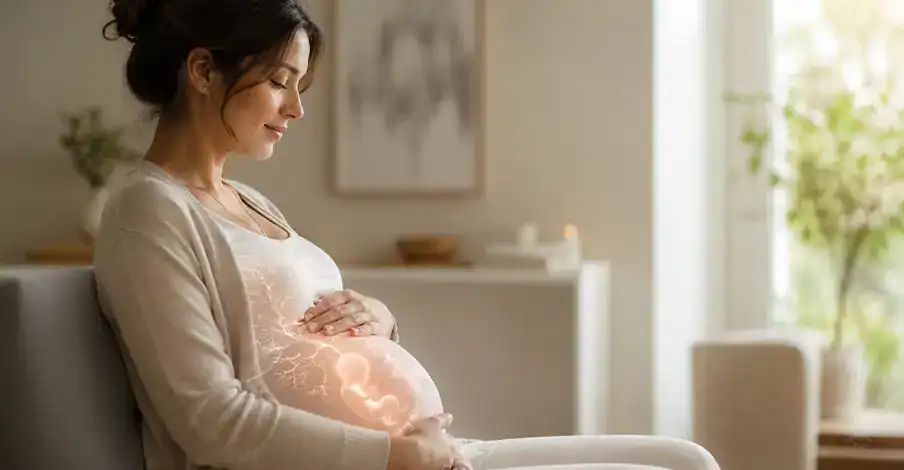
Explore how attachment begins before conscious memory, relationship patterns, or even birth itself. In this opening session, Dr. Aimie reveals how in-utero experiences, birth events, early bonding, and attachment neurochemistry shape the nervous system’s capacity for safety, connection, and regulation.
You’ll gain a new lens for understanding why two people with similar histories can develop profoundly different patterns of stress, overwhelm, and relational functioning, rather than imposing interpretation, certainty, or predetermined therapeutic direction.
Session 2
The First Year of Life: How Attachment Becomes a Biology of Trauma
The first year of life is the developmental window where attachment and trauma become woven together within the body. Dr. Aimie explores how early attunement, nervous system development, stress physiology, and caregiver connection shape lifelong patterns of regulation and resilience.
You’ll learn how incomplete trauma responses become stored in the body, and why many adult patterns of overwhelm, freeze, chronic stress, and relational difficulty can often be traced back to this foundational period.

Session 3
Neuroception, the Biology Dashboard, and the Adult Client
This class introduces what Dr. Aimie calls the body’s “biology dashboard“—the physiological factors that influence whether the nervous system experiences the world as safe or threatening.
Explore how inflammation, hormones, gut health, blood sugar regulation, and stress physiology affect neuroception, and learn why chronic patterns such as freeze, exhaustion, pain, digestive issues, and emotional dysregulation may persist despite otherwise effective therapeutic work.

Session 4
Building a Biology of Safety: The Repair Categories
What happens when biology becomes the ceiling on healing? In this practical session, Dr. Aimie explores how brain inflammation, chronic exhaustion, biochemical imbalances, disrupted sleep, and impaired cellular energy production can limit a person’s capacity for regulation and recovery.
You’ll learn a framework for identifying common biological drivers of dysregulation, understanding repair priorities, and recognizing when testing, referral pathways, or additional biological support may help the work finally move forward.
Session 5
Attachment Grief & The Gut: The Applied Synthesis
This concluding class brings together everything you’ve learned throughout the course. Dr. Aimie explores how attachment grief, chronic gut issues, inflammation, breath patterns, and nervous system dysregulation often reflect the same underlying biology.
Through a comprehensive case study, you’ll see how attachment, trauma, physiology, and repair intersect in real life—and learn how building a biology of safety creates the foundation for lasting regulation, connection, and healing.

Meet Your Instructor
“The first step isn’t awareness…
It’s action.”
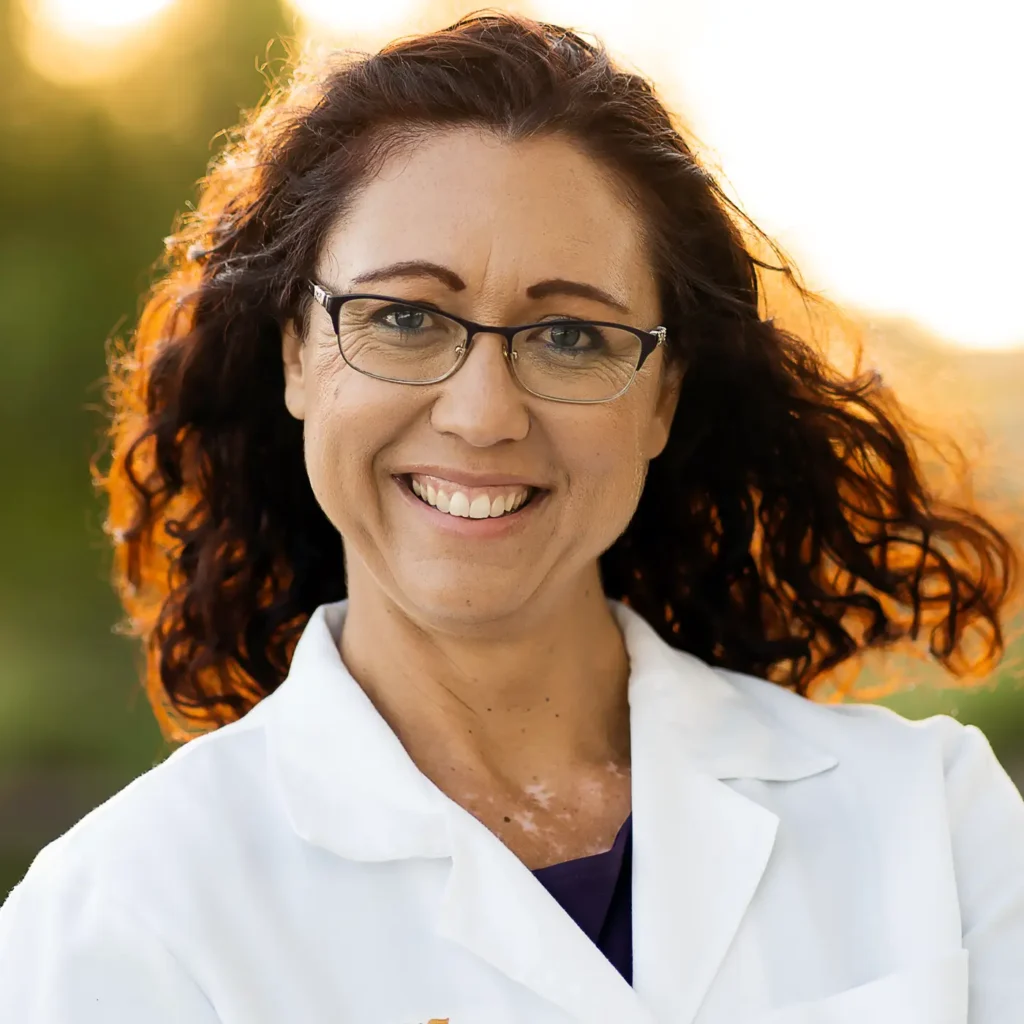
Dr. Aimie Apigian is a double Board-Certified Physician in Preventive and Addiction Medicine with Master’s degrees in Biochemistry and Public Health, and specialized training in Functional Medicine. She is the New York Times and USA Today bestselling author of The Biology of Trauma and the founder of Trauma Healing Accelerated, where she leads practitioner certification programs and online courses on nervous system healing.
Bridging the worlds of functional medicine, attachment, and trauma, Dr. Aimie is a leading expert on how the body stores fear and overwhelm from the past, creating patterns of illness and disconnection in the present. Through her unique integration of medical science, neuroscience, and therapeutic modalities, she has helped thousands of individuals and practitioners worldwide restore health and reclaim their authentic selves.
Drawing from her experience as a foster and adoptive mother, Dr. Aimie combines rigorous medical training with a deep understanding of the emotional and psychological effects of trauma, offering a practical, integrative approach to healing that addresses all three levels required for lasting change—the mind, body, and biology.
Do I need to be a therapist to benefit from this training?
No. This course is designed for both individuals and helping professionals who want to better understand the biology of attachment and its influence on health, regulation, and relationships.
You don’t need clinical training or prior knowledge of attachment theory to benefit from the material. Dr. Aimie teaches in a clear, accessible way, using demonstrations, case examples, and practical frameworks that can be applied to your own life as well as the people you support.
While some of the discussion explores how practitioners might recognize these patterns in clients, many participants find themselves learning in two directions at once—deepening their understanding of both their own biology and the biology of those they work with.
Whether you’re joining for personal healing, relational understanding, or professional development, you’ll leave with practical insights that can be applied in everyday life.
This course is educational and experiential in nature and is not a substitute for individual therapy, medical care, or mental health treatment
How long can I access the course materials if I purchase this training today?
You’ll have lifetime access to ALL training materials, including videos, transcripts, worksheets, demos, resources and bonuses too. You may also download, print or save materials at any time to your professional reference library for personal use.
In the interest of privacy, client demo videos are not downloadable.
Are the class sessions live or recorded?
All sessions were recorded live, including the Q&A segments. This reissued training features recordings of all five two-hour sessions, along with audio recordings, written transcripts, and complementary resources.
All of the training is on-demand, so you can learn at your own pace, or revisit sessions more than once.
Are CE credits available for this course?
Continuing Education (CE) credits are not available for this training at this time.
I’m having trouble completing the purchase. How can I get support?
If you have additional questions or need technical support, please contact our friendly Customer Support Team for help.
Is there a refund policy?
We’re confident this program will be a valuable investment in your education, personal growth and clinical practice.
Because this is a re-issue of previous of previous training (at a special promotional price) and course materials are downloadable, all sales are final.
If you have further questions, do not hesitate to reach out to our Customer Support Team for help.
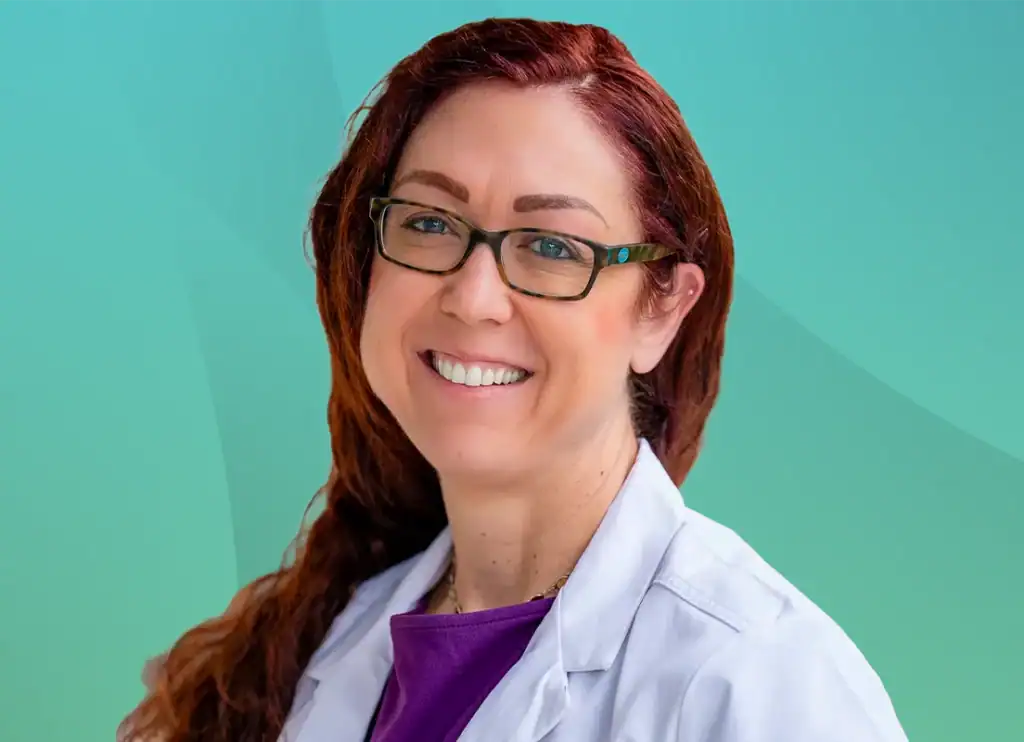
Aimie Apigian, MD, MS, MPH
Get immediate access…
- Five two-hour on-demand training sessions with Dr. Aimie Apigian
- “Put Your Skills Into Practice” exercises to accompany each session
- Includes recorded live Q&A: Dr. Aimie answers key questions on building a biology of safety
- Private Course Portal with Lifetime Access to Video Recordings, Audio, Transcripts, and Resources
- PLUS, Exclusive Course Bonuses!
Own It Now For Just
$297
More Savings On Our Most Popular Trainings!



Peter A. Levine, PhD,
Dr. Diane Poole Heller
Learn to work somatically with clients who have complex trauma. Regulate the nervous system and support deep healing and resilience.
$267

Peter A. Levine, PhD,
Dr. Diane Poole Heller
Efu Nyaki, SEP
Learn to recognize and heal inherited trauma using somatic practices, DARe™ techniques, and family constellations.
$267

NEW! Dr. Terry Levy
Learn to nurture secure, loving relationships with children facing emotional and behavioral challenges. Develop skills to guide their healing and support their growth.
$167


Dr. Terry Levy,
Dr. Diane Poole Heller
Help clients manage conflicts, disconnection, and defensiveness in their adult relationships.
$167
NEW! Dr. Diane Poole Heller
Explore how early trauma and attachment wounds create shame. Gain practical tools to quiet your inner critic, restore confidence, and find relief through self-compassion and daily healing practices.
$67
Peter A. Levine, PhD,
Dr. Diane Poole Heller
Learn how to recognize the physical signs of trauma and use somatic therapy techniques for recovery, relief, and healing.
$267

